
Anger is a powerful and often overwhelming emotion. It can arise from a variety of situations, from feeling slighted by a friend to facing injustice in the world. While it’s a natural response to certain stimuli, harboring anger can have detrimental effects on both our physical and mental well-being.

The Anxious Generation: How the Great Rewiring of Childhood Is Causing an Epidemic of Mental Illness
1. Stress and Physical Health
One of the most immediate effects of anger is its impact on our bodies. When we become angry, our bodies enter a state of heightened arousal, triggering the release of stress hormones like cortisol and adrenaline. While these hormones are useful in short bursts, chronic anger can lead to long-term health issues such as high blood pressure, heart disease, and weakened immune function. Prolonged anger keeps our bodies in a constant state of tension, leading to muscle tension, headaches, and even digestive problems.
2. Mental Health
Anger doesn’t just take a toll on our bodies; it can also wreak havoc on our minds. Chronic anger is often linked to mental health disorders such as depression and anxiety. When we hold onto anger, it can consume our thoughts, making it difficult to focus on anything else. Moreover, unresolved anger can lead to resentment, bitterness, and even aggression towards others, straining our relationships and further exacerbating our mental health issues.
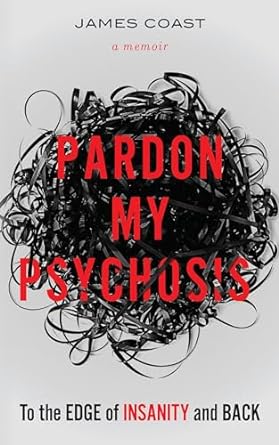
Pardon My Psychosis: To the Edge of Insanity and Back | Bipolar Disorder
3. Impact on Decision-Making
In the heat of the moment, anger can cloud our judgment and impair our decision-making abilities. When we’re angry, we’re more likely to act impulsively, saying or doing things we later regret. This can have serious consequences in both our personal and professional lives, damaging our reputation and causing irreparable harm to our relationships.
4. Escalation of Conflict
Anger is often a precursor to conflict, and when left unchecked, it can escalate into something much more serious. Verbal arguments can turn into physical altercations, leading to violence and harm to ourselves and others. In a broader sense, unresolved anger can fuel societal conflicts, perpetuating cycles of aggression and retaliation.

FITVEN Freestanding Punching Bag 70”-205lbs with Boxing Gloves Heavy Punching Bag with Suction Cup Base for Adults – Men Stand Kickboxing Bag Boxing Bag for Home Office
Managing Anger: Tips for a Healthier Outlook
While anger itself may be inevitable, how we respond to it is within our control. Here are some strategies for managing anger and promoting a healthier outlook:
- Recognize triggers: Pay attention to what sets off your anger and try to identify patterns. Understanding your triggers can help you anticipate and manage your reactions more effectively.
- Practice mindfulness: Techniques such as deep breathing, meditation, and yoga can help you stay grounded and calm in moments of anger.
- Communicate effectively: Instead of lashing out in anger, express your feelings calmly and assertively. Use “I” statements to convey how you feel without placing blame on others.
- Seek support: Don’t hesitate to reach out to friends, family, or a therapist for support. Talking about your feelings can help you gain perspective and find healthier ways to cope with anger.
In conclusion, while anger is a natural emotion, allowing it to fester can have serious consequences for our physical and mental health. By learning to manage our anger in healthy ways, we can cultivate greater peace of mind and healthier relationships with ourselves and others.
 Your Wellness
Leave a comment